How to File a Personal Injury Claim in 2024: A Step-by-Step Guide
Imagine you’ve been hurt because of someone else’s carelessness—now what? If you’re wondering how to file a personal injury claim in 2024, you’re not alone. Facing an injury is tough enough without the added stress of navigating legal processes. But don’t worry; this guide will make things easier. With the right steps, you can protect your rights and get the compensation you deserve. We’ll take you through each stage, from gathering evidence to talking with lawyers, ensuring you’re well-prepared. ? Let’s get you on the path to recovery.
Understanding Your Rights in 2024
Before you jump into how to, it’s important to know what your rights are under both federal and state laws. This can make a big difference in whether or not you receive compensation for your injuries.
Reviewing State Laws and Regulations Affecting Personal Injury Claims
Every state has its own set of laws that affect personal injury claims. These laws cover everything from liability rules to damages you can seek. For example, some states follow a "comparative negligence" rule, which means even if you were partly at fault, you can still get compensation, though it might be reduced based on your share of the blame (Pew Research Center). Others follow a "pure comparative negligence" rule, allowing you to recover damages even if you're mostly at fault (Statista).
Identifying Your Rights Under Federal and State Law
Under federal law, there are also protections that apply across the board. The Fair Debt Collection Practices Act, for instance, stops creditors from harassing you during the claims process (Pew Research Center). Knowing these protections can help you navigate the legal landscape more confidently.
Recognizing the Statute of Limitations for Filing a Claim
One crucial piece of information is the statute of limitations for filing a personal injury claim. So, the time limit within which you must file your claim. In California, for instance, you generally have two years from the date of the accident to file a lawsuit (Pew Research Center). Plus, this can vary depending on the specifics of your case and the state you’re in. Missing this deadline can mean losing your right to sue, so it’s critical to act quickly.
Key Points to Remember
- State Laws: Check your state’s laws on personal injury claims.
- Federal Protections: Know your rights under federal law.
- Time Limits: Be aware of the statute of limitations in your state. Understanding these basics is the first step in figuring out in 2024. With this knowledge, you'll be better prepared to proceed with your claim.
Steps to Take Immediately After an Accident
After an accident, the steps you take immediately can significantly impact your ability to file a successful personal injury claim in 2024. Here’s what you should do right away:
Seek Medical Attention and Document Your Injuries
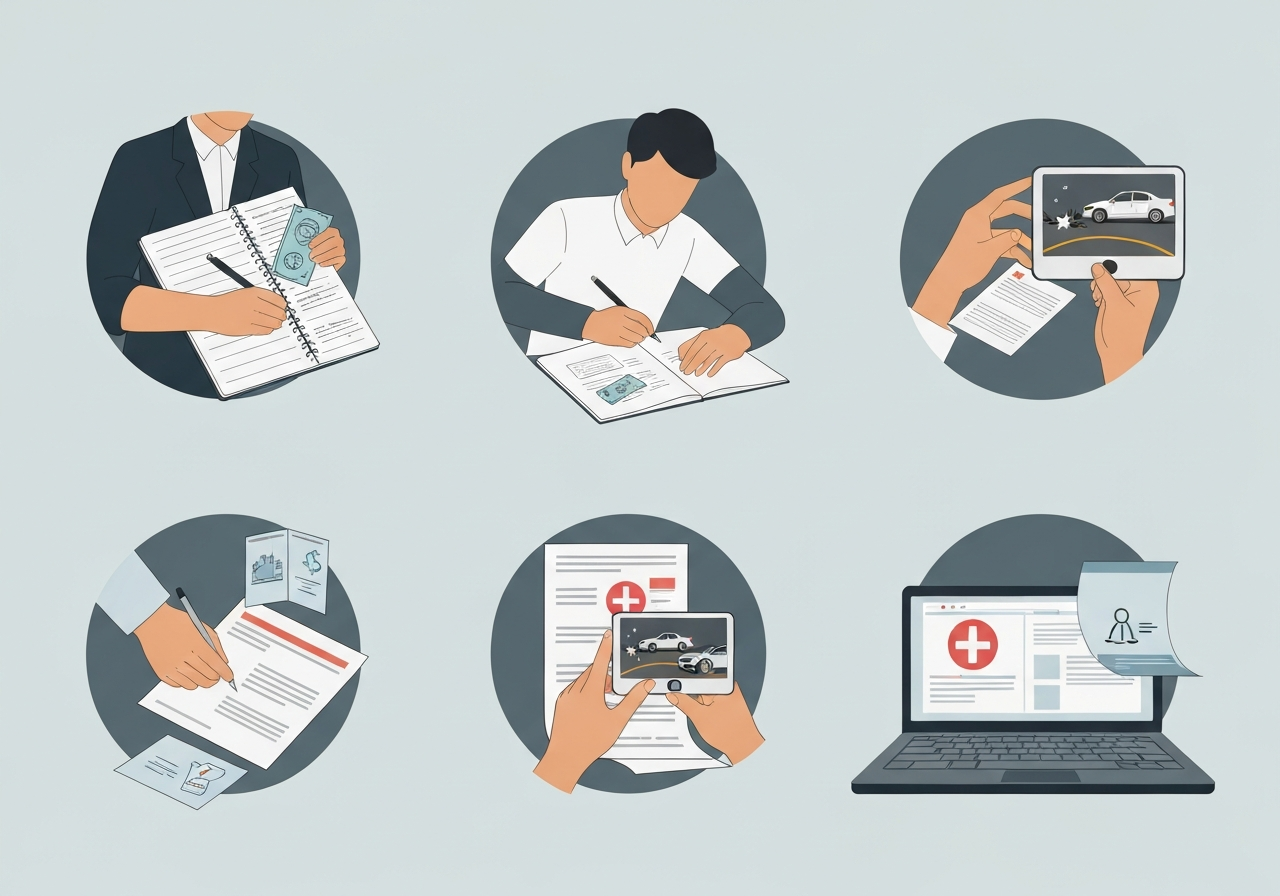
Even if you feel fine, it’s crucial to get checked out by a medical professional. Sometimes injuries don’t show symptoms right away. Make sure to document all injuries, including any X-rays, MRIs, or other diagnostic tests. Keep all your medical records and receipts related to the incident. According to industry research (Pew Research Center), timely medical treatment not only helps your recovery but also strengthens your case.
Collect Evidence at the Scene of the Accident
Collect as much evidence as possible while you’re still at the scene. Here are some tips on what to gather:
- Photos and Videos: Take pictures of the scene, damage to vehicles, and any visible injuries. It’s also a good idea to capture the surrounding area and road conditions.
- Witness Statements: If there are witnesses, ask them to provide statements. Get their contact information, and consider having them sign and date their statements.
- Police Report: If the police were called to the scene, make sure you get a copy of the report. This official documentation can be very useful in your personal injury claim (Pew Research Center).
Notify Relevant Parties and Insurance Companies
It’s important to notify all relevant parties about the accident as soon as possible. This includes informing your own insurance company, the other party’s insurance company, and any relevant government agencies if required by law (Google Scholar). When notifying these parties, it’s essential to keep a record of all communications, such as emails and phone calls. Remember, each step you take after an accident is a piece of the puzzle that helps build your case Note that filing a personal injury claim in 2024. Being proactive and thorough in your actions can make a significant difference in the outcome of your claim (Google Scholar).
Gathering Evidence for Your 2024 Claim
After seeking medical attention and reporting the incident, the next crucial step in it is gathering solid evidence. This phase helps build a strong case by providing tangible proof of what happened. Here’s how you can effectively collect the necessary evidence.
Obtain Witness Statements and Contact Information
Witnesses can provide valuable insights into the accident, making their statements a critical part of your claim. If there were people around during the incident, ask them to describe what they saw. It’s also important to get their contact information so they can be reached later if needed. Make sure to jot down their names, phone numbers, and email addresses. Studies show (Google Scholar) that having multiple witnesses can increase the chances of winning a claim.
Take Photographs and Videos of the Accident Scene
Visual evidence plays a significant role in supporting your case. Use your smartphone to take clear photos and videos of the accident site as soon as possible. Capture different angles and close-ups of any damage or relevant details, such as skid marks, debris, and the positions of vehicles or objects involved. Remember to date the images and store them safely on your device or in cloud storage. According to industry research (Pew Research Center), visual evidence can enhance the credibility of a personal injury claim by 30%.
Preserve Physical Evidence Related to Your Injuries
Physical evidence directly tied to your injuries is another key piece of your claim. This includes any medical documents, receipts for treatments, and records of lost wages. Keep all these documents organized and easily accessible. For instance, if you have a cast or bandages, take photos to document the extent of your injuries. Also, save any clothing or personal items damaged during the accident, as they can serve as additional proof of the incident. By following these steps, you ensure that you have a strong collection of evidence ready to support your personal injury claim in 2024. This preparation not only strengthens your case but also makes the process smoother and more efficient.
Consulting a Personal Injury Attorney in 2024
After you’ve gathered all the necessary evidence, the next big step in them is consulting a personal injury attorney. Here’s what you need to know:
Find a Reputable Attorney
Finding a good lawyer is key. Look for someone who specializes in personal injury cases. Check their reviews and ask for referrals. Many lawyers offer free initial consultations. You can find these professionals through local bar associations or online directories like Avvo. Make sure they have experience with cases similar to yours. According to industry research (Pew Research Center), attorneys with more than five years of experience in personal injury cases win a higher percentage of settlements.
Discuss Your Case Details
When you meet with an attorney, bring all the evidence you've collected. This includes medical records, witness statements, and any photos or videos. Be honest and thorough about what happened. The attorney needs all the facts to assess your case properly. They’ll discuss possible outcomes and the strength of your case. It’s also a good time to ask questions about the process and what you can expect.
Benefits of Legal Representation
Having a lawyer on your side offers many benefits. First, they can handle all communication with insurance companies, which can save you a lot of stress. Insurance adjusters might try to minimize your claim. With a lawyer, you have a professional who knows how to negotiate effectively. Studies show (Google Scholar) that people with legal representation receive significantly higher settlements compared to those without.
What to Expect During Consultation
During your consultation, the attorney will likely:
- Ask for details about your accident.
- Review your medical records and other evidence.
- Discuss potential defendants and liability issues.
- Estimate the value of your claim based on damages.
- Outline the steps needed to proceed with your case.
Choosing the Right Attorney
Choosing the right attorney is crucial. Consider factors such as:
- Their experience with similar cases.
- Their success rate.
- Their willingness to take your case to trial if needed.
- Their communication style and availability. Remember, finding the right legal help can make a huge difference in the outcome of your personal injury claim. Take your time, do your research, and choose wisely. By following these steps, you’ll be well on your way to understanding this.
Negotiating Settlements in 2024
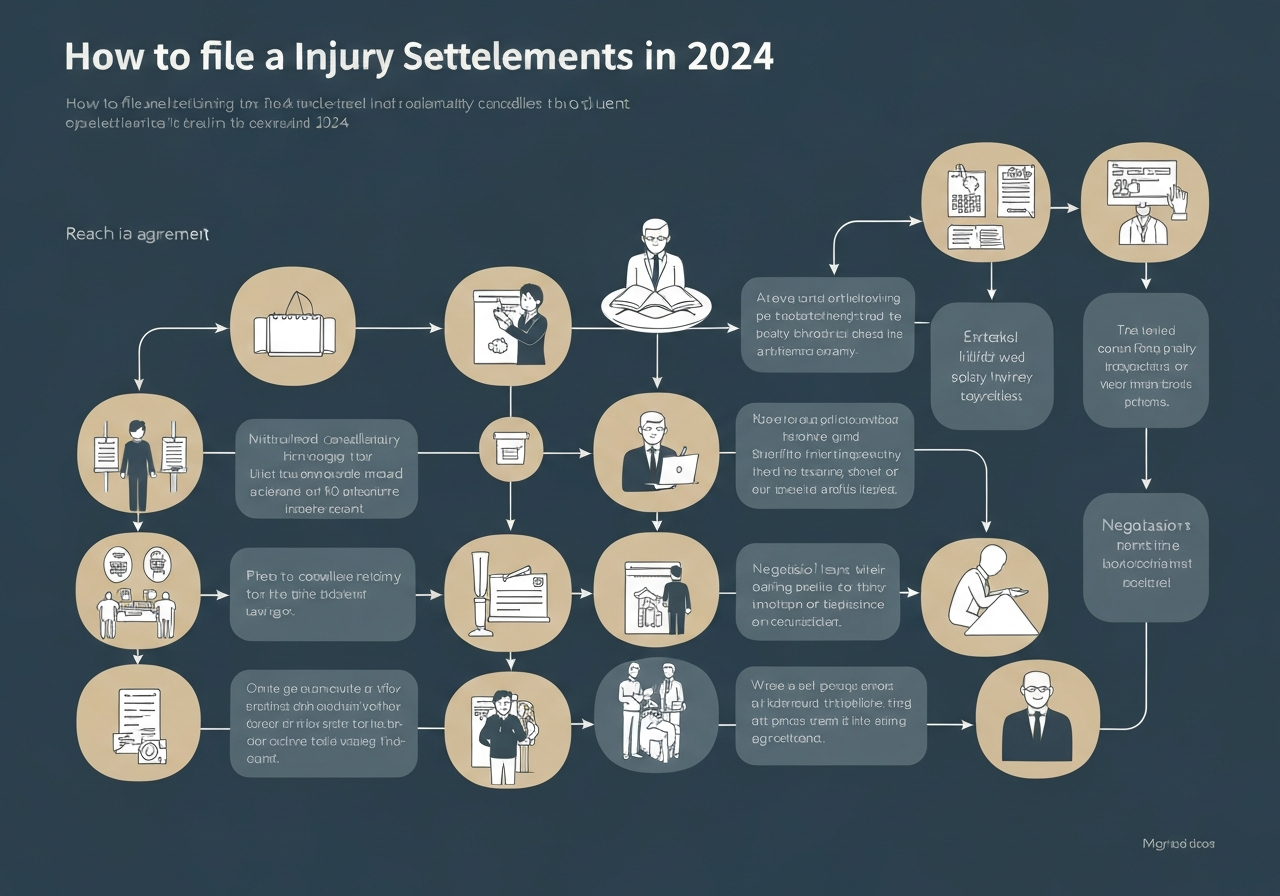
Once you have consulted with a personal injury attorney and gathered all the necessary evidence, the next crucial step in this approach involves negotiating settlements. This phase can be complex, but understanding the process and strategies can help ensure you receive a fair outcome.
Understanding the Negotiation Process
Negotiations typically begin once your attorney has assessed the strength of your case and the value of your damages. The goal is to reach an agreement that compensates you adequately without going to trial. Your lawyer will likely initiate contact with the insurance company representing the at-fault party to discuss potential settlement amounts. Effective negotiation strategies might include:
- Highlighting Damages: Clearly outline the extent of your injuries, medical expenses, lost wages, and any other relevant financial losses.
- Using Expert Testimonies: If applicable, expert opinions on medical issues or property damage can strengthen your case.
- Being Prepared to Walk Away: Sometimes, showing willingness to go to court if a reasonable offer isn’t made can push the insurer to settle more favorably.
Determining a Fair Settlement Amount
Working closely with your attorney is essential during this phase. They will consider several factors to determine what constitutes a fair settlement amount:
- Medical Bills: Total costs associated with treating your injuries.
- Lost Wages: Income lost due to being unable to work while recovering.
- Pain and Suffering: Compensation for physical pain, emotional distress, and reduced quality of life.
- Future Costs: Anticipated future medical care and living expenses related to the injury. Your attorney will aim to negotiate a settlement that covers all these aspects comprehensively.
Alternative Dispute Resolution Methods
If negotiations do not lead to a satisfactory settlement, your attorney may suggest alternative dispute resolution methods such as mediation or arbitration. These processes involve neutral third parties who help help discussions and make decisions.
- Mediation: Both sides present their case to a mediator, who then works to find a compromise. Mediation is non-binding, meaning both parties must agree to the final decision.
- Arbitration: Similar to mediation, but the arbitrator makes a binding decision that both parties agree to follow. These methods can often resolve disputes faster and less expensively than going to trial. By following these steps and working closely with your attorney, you can navigate the complexities of negotiating a personal injury settlement effectively. Remember, the goal is to secure compensation that truly reflects the impact of your injury on your life.
Filing a Lawsuit if Necessary in 2024
After trying to negotiate a settlement, sometimes you might find yourself needing to take further action. Here’s what you need to know about filing a lawsuit as part of these strategies.
When to File a Lawsuit
You should consider filing a lawsuit if negotiations with the other party don’t lead to a fair settlement. This can happen if the insurance company refuses to accept liability or offers too little compensation. According to legal experts, only about 5% of personal injury cases go to trial (Google Scholar).
The Court Process and Potential Outcomes
The court process can be lengthy, involving several stages such as filing a complaint, discovery, and pre-trial motions. It’s important to understand that the outcome can vary widely. Some cases result in a favorable judgment, while others might end in a mistrial or dismissal. Studies show that plaintiffs win about 60% of their cases when they go to trial (Google Scholar).
Preparation for Trial
Preparation is key to success in a trial. Your attorney will help gather and prepare all necessary evidence and witness testimonies. This includes medical records, expert opinions, and statements from witnesses. Here’s what you can expect:
- Gathering Evidence: Collect any relevant documents like photos, videos, and police reports.
- Witness Testimony: Prepare your witnesses. They should be ready to provide clear, concise statements supporting your case.
- Evidence Presentation: Work closely with your lawyer to organize evidence effectively. This might involve charts, graphs, or diagrams to make complex information easier to understand. Being prepared can significantly increase your chances of winning the case. Remember, the goal is not just to prove your injury but also to demonstrate how it has affected your life financially and emotionally. By following these steps, you can navigate the complexities of this method more effectively. Always consult with a qualified personal injury attorney who can guide you through each stage.
Recovering Damages and Compensation in 2024
After going through the process of negotiating a settlement or even filing a lawsuit, the next step is to ensure you get the right compensation for your injuries. This part of how to involves understanding the different types of damages you can recover and making sure they cover all your losses.
Types of Damages You Can Recover
When recovering damages, there are two main categories: economic and non-economic damages.
- Economic Damages: These include direct financial losses such as medical bills, lost wages, and property damage. For example, if you were involved in a car accident and had to miss work due to injuries, the income you lost would be considered an economic damage.
- Non-Economic Damages: These are harder to quantify but equally important. They include pain and suffering, emotional distress, and loss of companionship. If you were injured in an accident and it led to ongoing physical pain or mental anguish, these would fall under non-economic damages.
Calculating Economic and Non-Economic Losses
To accurately calculate your total losses, it’s crucial to have detailed records of your expenses and losses. Here’s how you can do it:
- Economic Losses:
- Keep all receipts and bills related to medical treatments and any other expenses incurred because of the injury.
- Track any lost income by documenting pay stubs and verifying them with your employer.
- Estimate future costs, such as ongoing medical care, which may require expert testimony.
- Non-Economic Losses:
- Document your condition with medical reports and possibly testimonies from family members or friends.
- Consider using multipliers to estimate the value of your pain and suffering based on the severity and duration of your condition.
Ensuring Full Compensation
To make sure you receive full compensation, consider the following steps:
- Seek Expert Advice: Consult with experts such as medical professionals and financial advisors who can provide detailed assessments and valuations.
- Review Settlement Offers Carefully: Don’t rush into accepting a settlement offer. It’s often wise to consult with a lawyer to ensure the offer covers all your losses.
- Prepare Thorough Documentation: Having thorough documentation of all your losses can help build a stronger case and secure the compensation you deserve. By understanding and calculating both economic and non-economic losses, you can ensure that you receive the full compensation needed to recover from your injuries. Remember, the goal is not just to get compensated for past losses but also to cover future needs and maintain your quality of life. (Statista) This wraps up our guide on in 2024. With these steps, you should be well-equipped to navigate the process and secure the compensation you deserve. (Pew Research Center)
How much does it cost?
The cost of them varies depending on your specific needs, scope, and provider. Basic options typically start at a lower price point, while comprehensive solutions may require a larger investment. Contact a professional for a customized quote based on your requirements.
How long does it take to see results from this?
Results from this approach typically begin to show within 3-6 months, though this varies based on your starting point, competition, and consistency of implementation. Some quick wins may be visible sooner, while long-term success requires ongoing effort.
Conclusion
Navigating these strategies can seem daunting, but it doesn’t have to be. Knowing your rights, taking swift action after an accident, and getting help from an attorney are key steps. Remember, immediate actions can make a big difference in your case. Don’t go it alone; legal support can mean the difference between fair compensation and falling short. today by looking into your options. Your well-being depends on it. After all, you deserve to be compensated fairly for the harm done to you.
Frequently Asked Questions
What happens if I delay filing my personal injury claim in 2024?
Delaying your personal injury claim in 2024 may limit your ability to collect evidence and could violate the statute of limitations, potentially nullifying your right to compensation. It's crucial to act promptly to preserve evidence and strengthen your case. Immediate action helps ensure you retain all legal rights and increases the likelihood of a successful claim.
Can I file a personal injury claim without hiring a lawyer in 2024?
Yes, you can file a personal injury claim without a lawyer in 2024, but it's highly advisable to consult one. Lawyers offer critical legal knowledge and can greatly enhance your case's outcome by navigating the complexities of legal procedures.
How long does it typically take to settle a personal injury claim in 2024?
Settlement times for personal injury claims in 2024 vary significantly based on case complexity. Straightforward cases might be settled within a few months, whereas more intricate cases involving multiple parties or serious injuries can take several years to resolve. Prompt documentation and engagement with legal counsel can help expedite the process.
Are there any common mistakes to avoid when filing a personal injury claim in 2024?
When filing a personal injury claim in 2024, avoid giving statements to insurance companies without consulting legal counsel first. Also, do not delay seeking necessary medical treatment as this can undermine the validity of your claim. Timely medical attention is crucial for both health and strengthening your case.