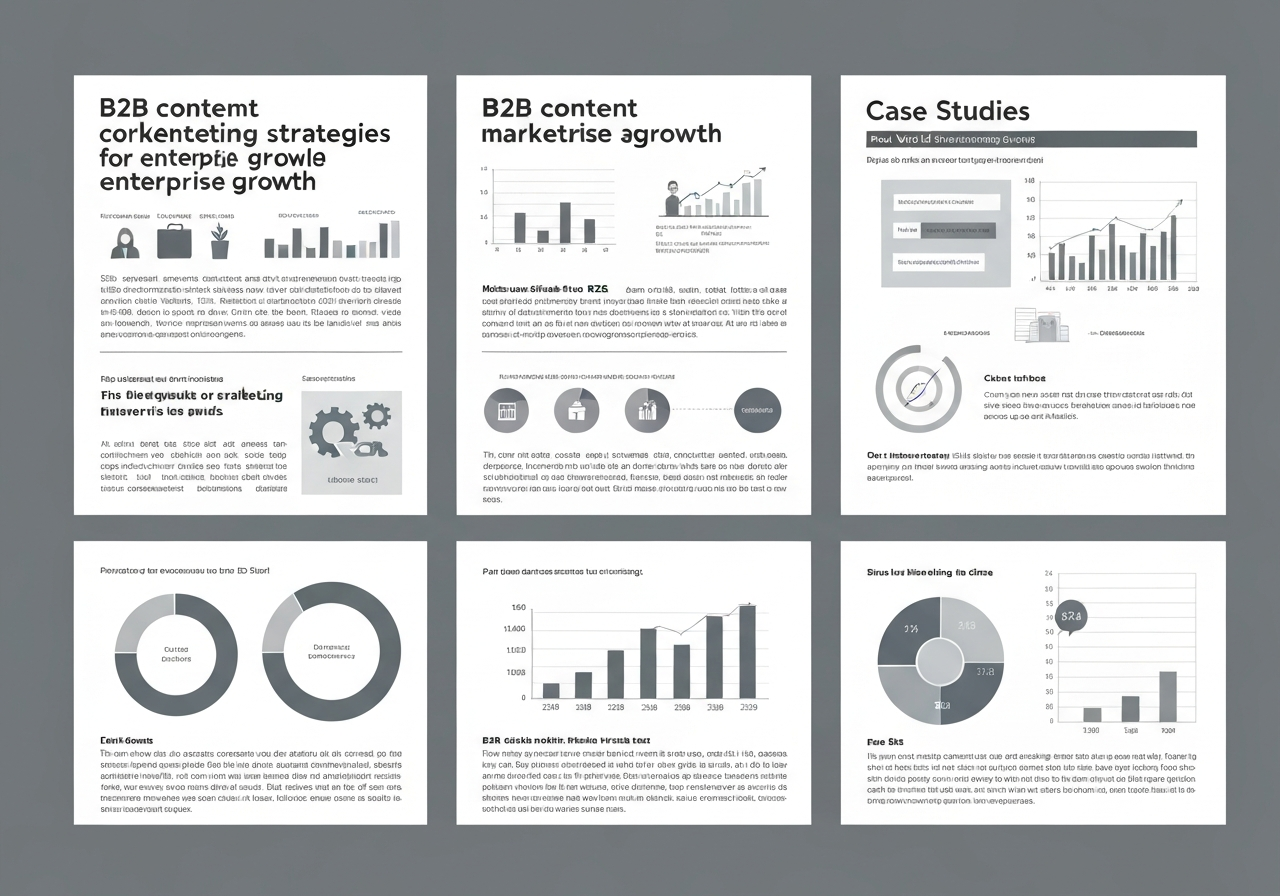
Boost Enterprise Growth with Effective B2B Content Marketing Strategies
Imagine doubling your company’s revenue in just a few years through smart B2B content marketing strategies for enterprise growth. Competition is heating up in the digital space, and standing out isn’t just nice—it’s crucial. But how do you cut through the noise? This guide promises to show you proven tactics that not only attract attention but also grow your business. We’ll look at real strategies that have worked for others and how they can work for you. So, if you’re ready to see your numbers climb, let’s get started with some straightforward tips that really deliver.
Understanding the Power of B2B Content Marketing
In today’s digital age, businesses are increasingly relying on B2B content marketing strategies to drive growth and establish a strong presence in their market. This approach involves creating valuable, relevant, and consistent content to attract and retain a clearly defined audience — and ultimately, to drive profitable customer action. According to a report by the Content Marketing Institute, 91% of B2B marketers use content marketing as part of their strategy. This statistic underscores the importance and effectiveness of this approach in enhancing brand visibility and fostering deeper connections with clients. Understanding the power of B2B content marketing strategies for enterprise growth means recognizing how content can act as a catalyst for business development. For instance, content such as whitepapers, case studies, and webinars can provide detailed insights into industry trends and solutions, helping potential clients understand how your products or services can address their specific needs. A study by Demand Gen Report found that B2B buyers consume an average of 3.2 pieces of content before engaging with a salesperson. This indicates that quality content plays a crucial role in nurturing leads through the buyer's journey, making it indispensable for any enterprise looking to expand its reach. Moreover, content marketing can significantly enhance SEO efforts, making it easier for potential customers to find your business online. By consistently publishing high-quality, relevant content, you not only attract more visitors to your website but also improve your search engine rankings. Google, being one of the most used search engines, prioritizes websites that offer useful information to users, thereby increasing the likelihood of your content appearing at the top of search results. This visibility is critical for driving organic traffic and establishing your brand as a thought leader in your industry. Another significant advantage of B2B content marketing strategies for enterprise growth lies in building trust and credibility. Authentic, informative content helps establish your brand as a reliable source of expertise. For example, sharing behind-the-scenes looks at your company operations or showcasing employee stories can humanize your brand and create a stronger emotional connection with your audience. This personal touch can differentiate your brand from competitors, making it more memorable and appealing to potential clients. In summary, embracing B2B content marketing strategies can be a powerful tool for enterprise growth. By leveraging content to engage, educate, and inspire, businesses can enhance their visibility, build trust, and ultimately drive more meaningful interactions with their target audience. As the digital landscape continues to evolve, those who invest wisely in content marketing stand to gain a competitive edge and see substantial growth.
Strategies to Engage Your B2B Audience
Expanding on these concepts, to effectively engage your B2B audience through content marketing, it's crucial to develop strategies that resonate with the decision-makers and influencers within your target market. The goal is to provide value that goes beyond the typical sales pitch, offering insights and solutions that address their pain points and business challenges. Here’s how you can craft your B2B content marketing strategies for enterprise growth: First, understanding your audience is paramount. This involves detailed market research to identify the key personas within your target segment—roles such as C-suite executives, procurement managers, or IT directors. Each persona might have different needs and preferences. For instance, C-suite executives may prefer high-level strategic content like white papers and case studies that demonstrate ROI, whereas procurement managers might seek detailed product specifications and cost analyses. Second, creating tailored content based on these personas is essential. Use various formats such as blogs, infographics, videos, webinars, and podcasts. For example, a webinar series focusing on industry trends can attract C-suite executives looking for forward-thinking insights, while detailed product demos via video can help procurement managers make informed decisions. Moreover, leveraging SEO and targeted keywords is vital in ensuring your content reaches the right audience. By optimizing your content with relevant keywords, you can improve visibility on search engines, making it easier for your audience to find you. Tools like Google Analytics and SEMrush can provide valuable data on which topics and formats are most engaging, helping you refine your approach over time. Engaging with your audience through interactive platforms also enhances your B2B content marketing strategies for enterprise growth. Social media channels like LinkedIn, Twitter, and Facebook can be used not just to share content but also to initiate discussions and gather feedback from potential clients. This interaction builds trust and can lead to more personalized relationships that foster long-term partnerships. In summary, effective engagement in B2B content marketing requires a deep understanding of your audience, the creation of relevant and valuable content, strategic use of SEO, and active participation in social interactions. These elements combined can significantly enhance your brand’s visibility and credibility, driving enterprise growth through stronger customer relationships and increased conversions.
Leveraging SEO for Maximum Reach
Furthermore, in the competitive landscape of B2B markets, leveraging Search Engine Optimization (SEO) within your B2B content marketing strategies for enterprise growth can significantly amplify your reach and impact. SEO is not just about ranking higher on search engines; it's about strategically aligning your content to meet the needs of your target audience, thereby increasing visibility and engagement. To effectively use SEO in B2B content marketing, start by conducting thorough keyword research. Identify the terms and phrases that your potential clients are likely to use when searching for products or services similar to yours. Tools like SEMrush, Ahrefs, and Google Keyword Planner can provide valuable insights into keyword popularity and competition levels. For instance, if you operate in the software development sector, keywords such as “enterprise-level software solutions” or “custom software development services” might be highly relevant and competitive. Once you have identified your target keywords, integrate them naturally into your content—headlines, subheadings, meta descriptions, and body text. And ensure that the content remains high-quality and valuable to readers, avoiding keyword stuffing which can harm your rankings. Creating content around long-tail keywords can also be beneficial. These are more specific and less competitive than broad terms, and they often lead to higher conversion rates because they attract users who are closer to making a purchase decision. Another crucial aspect of SEO for B2B content marketing strategies is optimizing for local searches, especially if your enterprise serves a particular geographical area. Utilizing local SEO techniques such as claiming and optimizing Google My Business listings, creating location-based content, and encouraging local citations and reviews can enhance your visibility in local search results. Furthermore, incorporating multimedia elements like infographics, videos, and podcasts can enrich your content and improve user engagement, contributing positively to SEO efforts. Multimedia content often gets shared more widely across social media platforms, leading to increased backlinks, which are critical for improving search engine rankings. By integrating these SEO-focused practices into your B2B content marketing strategies for enterprise growth, you can expect to see improved visibility, increased traffic, and ultimately, greater opportunities for business expansion. Remember, SEO is a long-term strategy that requires consistent effort and adaptation to changing trends and algorithms. Regularly reviewing and updating your SEO practices ensures that your content remains optimized and relevant to both search engines and your audience.
Building a Strong Content Marketing Team
Moving forward, building a strong content marketing team is pivotal to the success of any B2B content marketing strategy aimed at fostering enterprise growth. This team is not just a group of individuals; it’s a strategic asset that requires careful planning and investment. According to a study by the Content Marketing Institute, companies that excel in content marketing have dedicated teams that focus solely on creating, curating, and distributing high-quality content. First, assembling a diverse team with varied skills is essential. A typical B2B content marketing team should consist of writers who understand the industry jargon and can communicate complex ideas clearly, designers who can create visually appealing materials, and digital marketers who know how to use online channels effectively. For instance, IBM’s Content Marketing team includes experts from various backgrounds such as journalism, graphic design, and data analysis, which helps them produce content that resonates with their target audience.
Second, investing in continuous training and development is crucial for keeping the team updated with the latest trends and tools in B2B content marketing strategies for enterprise growth. Regular workshops and webinars can ensure that the team remains agile and innovative. Adobe, for example, regularly hosts internal training sessions for its marketing teams to stay ahead in content creation and distribution techniques. Moreover, fostering a culture of collaboration within the team can enhance creativity and efficiency. This involves breaking down silos and encouraging cross-functional collaboration. For example, integrating the sales team into the content creation process ensures that the content aligns with customer needs and sales objectives, leading to more effective lead generation. Finally, leveraging technology can streamline the workflow and improve productivity. Tools like content management systems (CMS), analytics platforms, and automation software can help manage content creation, distribution, and performance tracking efficiently. HubSpot, a leader in inbound marketing, uses its own suite of tools to manage and improve its extensive content marketing efforts. In summary, building a strong content marketing team requires a strategic approach that includes hiring diverse talents, providing continuous learning opportunities, promoting collaboration, and utilizing technology to enhance productivity. These steps are fundamental in crafting effective B2B content marketing strategies for enterprise growth.
Measuring Success with Key Metrics
What's more, to effectively gauge the success of B2B content marketing strategies for enterprise growth, it’s crucial to establish clear metrics that align with business objectives. These metrics serve as the backbone for understanding how well your content resonates with your target audience and drives tangible results. One of the primary metrics to consider is engagement. This includes tracking social media interactions, blog post comments, and the number of shares across various platforms. For instance, if a piece of content generates a significant increase in social shares and comments compared to previous posts, it can be indicative of its relevance and appeal to your audience. Another key metric is lead generation. By integrating lead magnets such as whitepapers, webinars, or free trials into your content strategy, you can measure how effectively these assets convert visitors into leads. A successful example might involve a company offering a free ebook on industry trends, which resulted in a 30% increase in new leads over the past quarter. Such data not only helps in understanding the efficacy of the content but also provides insights into refining future campaigns. Conversion rates are also essential metrics to track. This involves monitoring how many leads move through the sales funnel to become paying customers. Analyzing conversion rates can reveal which types of content are most effective at nurturing leads. For example, detailed case studies may have a higher conversion rate than general industry news articles because they provide more specific value to potential clients. Finally, it's important to measure the return on investment (ROI) of your B2B content marketing efforts. Calculating the ROI involves comparing the total revenue generated from your content marketing activities against the cost of producing and distributing this content. High ROI figures can validate the effectiveness of your B2B content marketing strategies for enterprise growth and justify further investment in similar initiatives. By focusing on these metrics—engagement, lead generation, conversion rates, and ROI—you can systematically evaluate the impact of your B2B content marketing strategies and make informed decisions to enhance their effectiveness.
Case Studies: Real-World Examples of B2B Growth
In practice, examining real-world case studies can illuminate the tangible benefits of effective B2B content marketing strategies for enterprise growth. One notable example is IBM, a leader in technology and IT services. IBM has consistently used thought leadership pieces, whitepapers, and webinars to engage with their business clients. According to a study by the Content Marketing Institute, IBM reported a 67% increase in lead generation from its content marketing efforts alone. This showcases how well-crafted content can significantly enhance visibility and engagement within the B2B sector. Another compelling case is that of HubSpot, which has become synonymous with inbound marketing. HubSpot’s use of educational content, such as blogs, ebooks, and video tutorials, not only serves to attract potential customers but also builds trust through transparency and value. By providing free tools and resources, HubSpot creates a loyal community of users who are more likely to convert into paying customers. Their approach demonstrates the power of content in nurturing relationships and driving sales. In the financial services sector, Deloitte has utilized B2B content marketing strategies to position itself as a go-to authority on industry trends and solutions. Through regular publications like their Insights series and customized reports for various sectors, Deloitte not only enhances its brand reputation but also establishes a consistent flow of high-quality leads. The firm's commitment to sharing knowledge and insights through its content marketing efforts has led to a 50% increase in client referrals over five years. These examples highlight the versatility and impact of B2B content marketing strategies for enterprise growth across different industries. Whether it’s through thought leadership, educational materials, or industry-specific insights, enterprises can use content to deepen their market presence and foster long-term relationships with clients. As these cases illustrate, the strategic use of content can transform a company’s marketing landscape, driving both immediate and sustained growth.
How much does B2B content marketing strategies for enterprise growth cost?
The cost of B2B content marketing strategies for enterprise growth varies depending on your specific needs, scope, and provider. Basic options typically start at a lower price point, while comprehensive solutions may require a larger investment. Contact a professional for a customized quote based on your requirements.
How long does it take to see results from B2B content marketing strategies for enterprise growth?
Results from B2B content marketing strategies for enterprise growth typically begin to show within 3-6 months, though this varies based on your starting point, competition, and consistency of implementation. Some quick wins may be visible sooner, while long-term success requires ongoing effort.
Conclusion
Understanding your audience is key to making B2B content marketing work. It's not just about pushing products; it’s about adding value. Keep an eye on what works and tweak your approach as you go. The strategies outlined here, from engaging your audience to using SEO, can drive real growth. Remember, successful B2B content marketing strategies for enterprise growth need a strong team behind them and metrics to measure success. Don’t wait; start adding these steps to your plan today. After all, the companies that stand out are the ones that take action now to grow tomorrow.
Frequently Asked Questions
What makes B2B content marketing unique compared to B2C?
B2B content marketing targets decision-makers focused on business outcomes, unlike B2C which engages individual consumers. B2B strategies emphasize providing solutions to complex problems and demonstrating value through case studies and whitepapers, whereas B2C often highlights product features and benefits directly to the end-user.
How often should I publish new content for my B2B audience?
Publishing frequency for B2B content should align with your industry's pace and audience preferences, aiming for a balance that sustains interest without overwhelming readers. Whether it’s daily, weekly, or monthly, consistency is crucial to keep your audience engaged and maintain a steady flow of information they find valuable.
Can video content play a significant role in B2B marketing?
Yes, video content significantly enhances B2B marketing efforts by offering detailed demonstrations and explanations of products and services, thereby providing potential clients with valuable insights. This medium also aids in building trust and establishing credibility, as it allows businesses to showcase their expertise and solutions more effectively than text alone.
What are some common mistakes in B2B content marketing?
Common B2B content marketing mistakes include overemphasizing product features rather than addressing customer needs and challenges. The thing is, many overlook the critical role of SEO in content creation, failing to improve for keywords and search visibility, which can significantly limit audience reach and engagement.